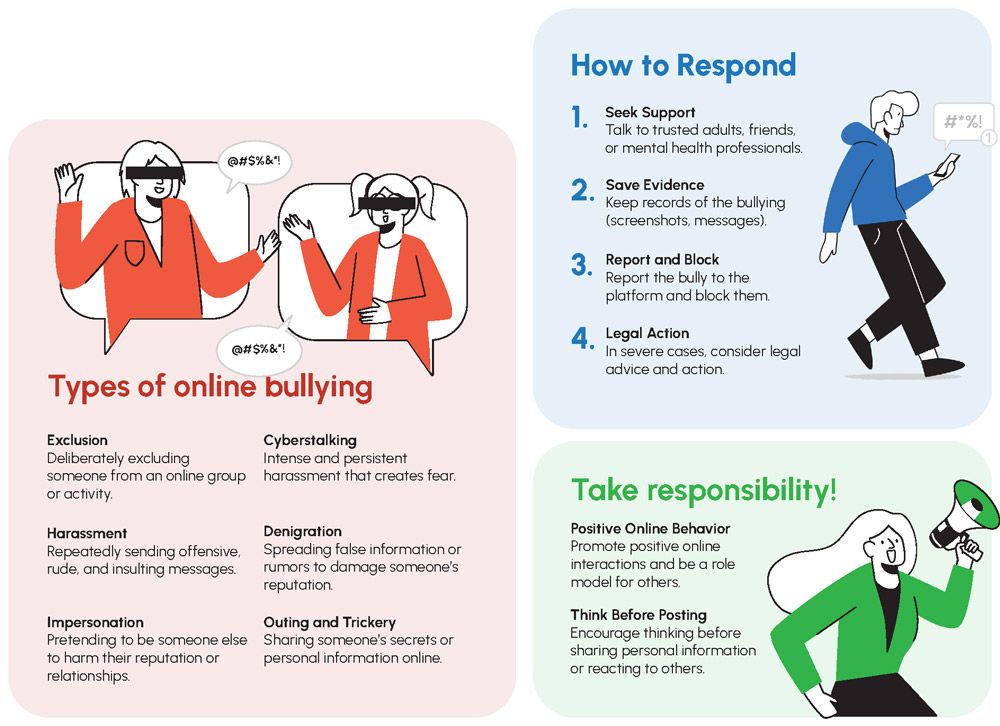
On this page you will find examples of the different forms of influence operations.
Clickbait
Clickbaits are short, attractive headlines designed to get people to click on a link or open the content.
They are commonly used in influence operations and often highlight fear, reinforce prejudices or offer misleading promises to manipulate the reader.

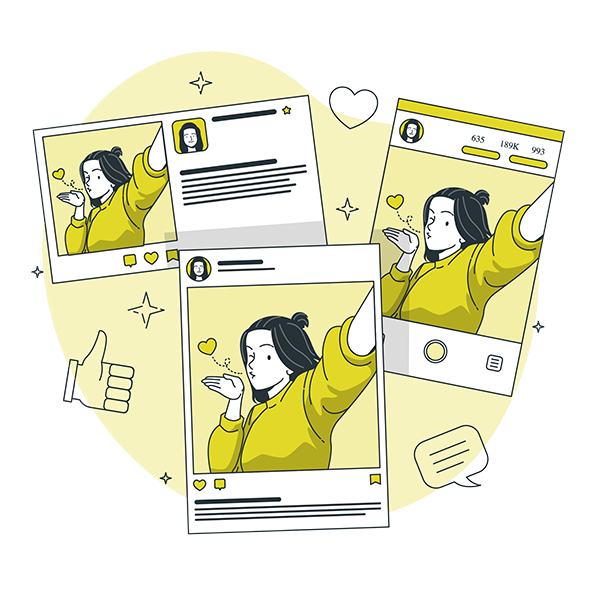
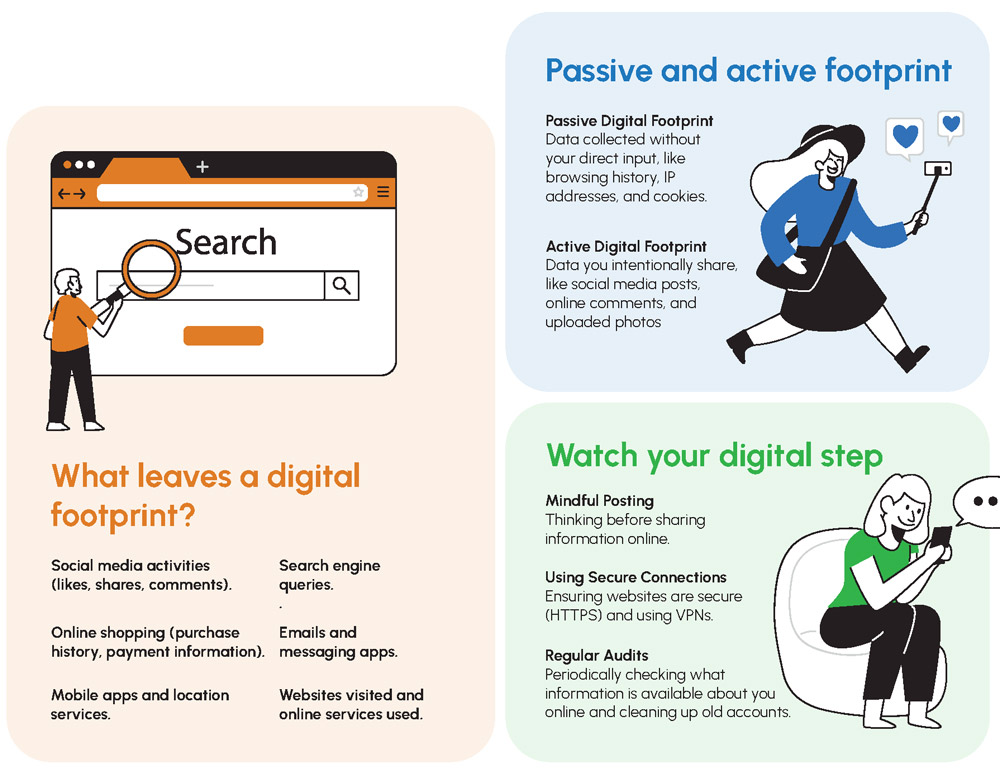
Hijacked social media account
By hijacking a social media account, incorrect information can be spread to a wider audience.
In particular, if the account belongs to a public figure or influencer, followers can be misled and public opinion can be influenced.
Deepfake
A deepfake refers to a video, sound or image created by artificial intelligence. It can depict fictional characters and situations, or it can be used to distort information.
For example, a public figure can be used to spread false information through a fake video.

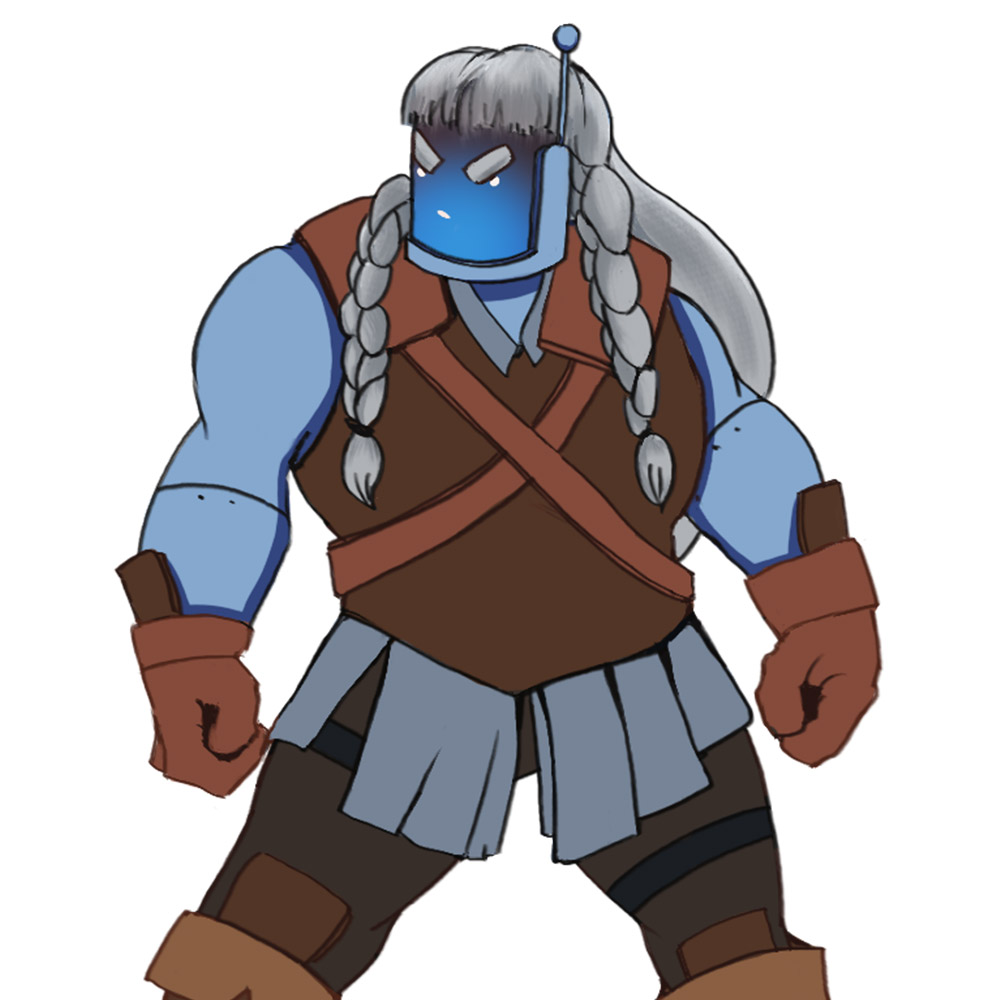
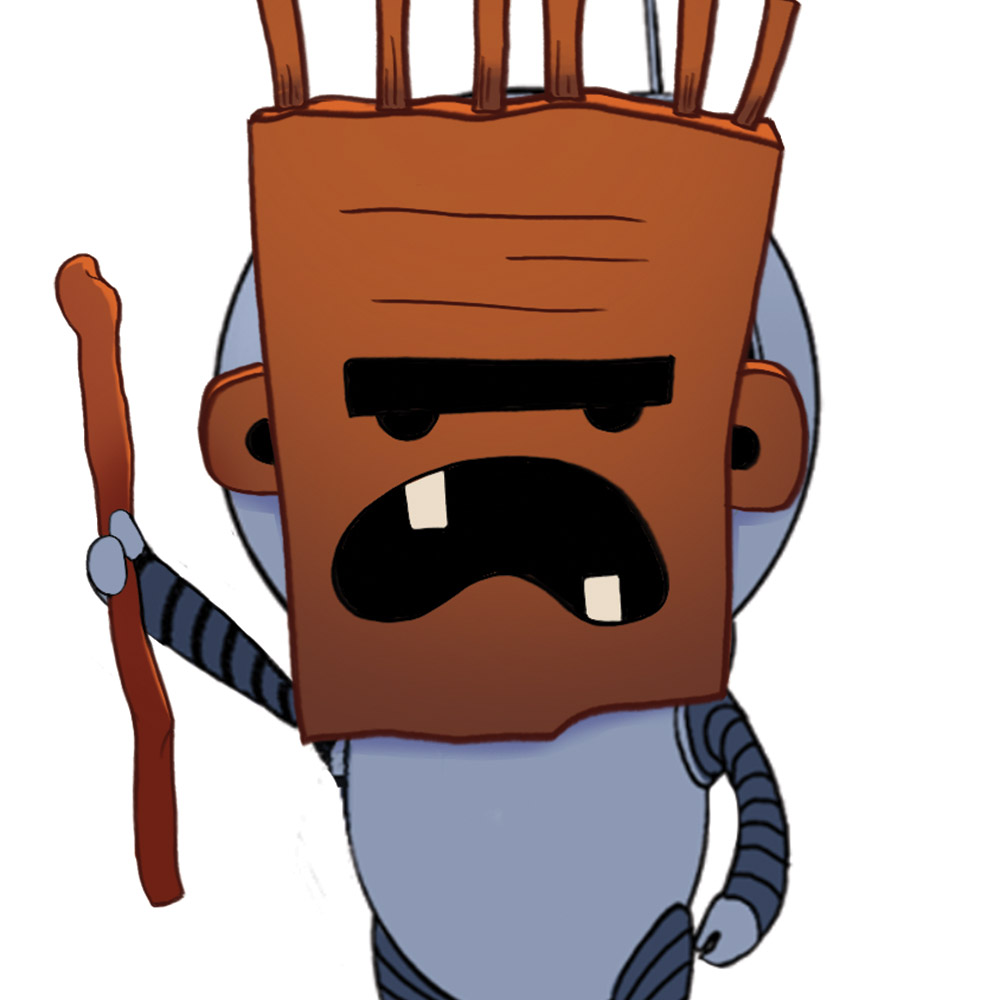
Trolling
Trolling is when someone writes and publishes provoking texts.
In coordinated trolling networks, the perpetrators are paid to spread false information or create controversy.
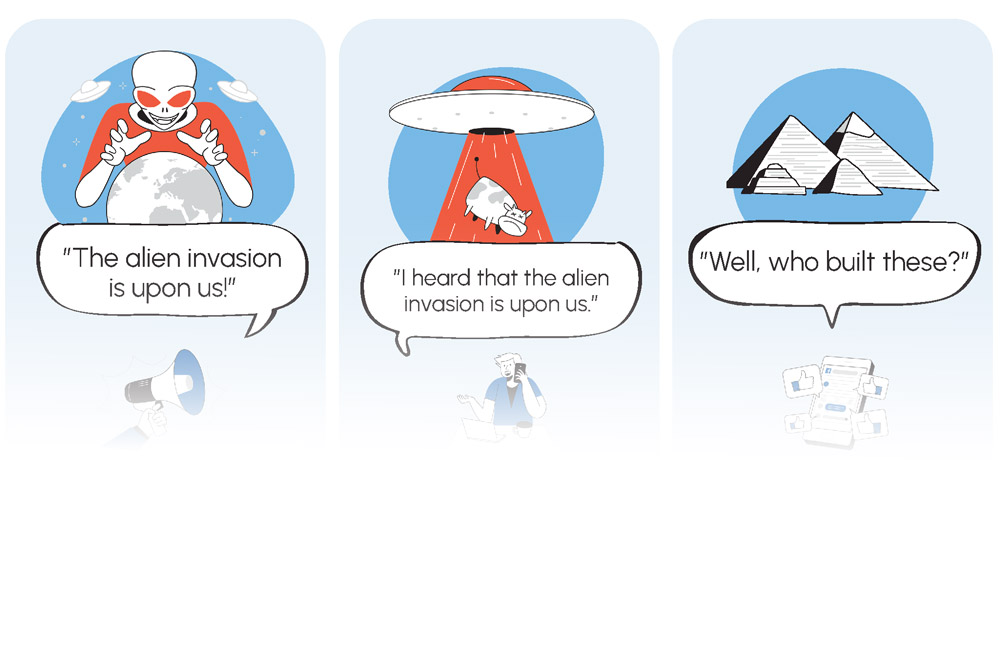
Conspiracy theories
Conspiracy theories can increase distrust in the authorities and traditional media.
They also erode faith in democracy.


Memes
Memes are humour-based images, videos or texts that circulate on the internet and describe phenomena or ideas.
People like to share them because they are funny and witty. Memes can also be used to spread disinformation, reinforce prejudices or create a negative impression.
Illustrations: Storyset